Reconstruir el territorio
Reuní cartografía histórica, imágenes satelitales y fuentes documentales para representar el crecimiento urbano del valle a través del tiempo.
Arte, diseño y programación
Desarrollo sistemas interactivos, interfaces de usuario y recursos visuales y sonoros. Mi trabajo combina programación, diseño y producción visual en proyectos de cartografía, simulación, realidad aumentada y videojuegos.
El fondo es una simulación propia: cada visita genera un territorio distinto. El relieve y la presión guían el viento; el cursor deja una corriente a su paso.
Una reconstrucción animada de Medellín y el Valle de Aburrá a lo largo de más de cinco siglos. La cartografía permite seguir cómo se forma una ciudad y reconocer los lugares que habitamos hoy.
Investigación, diseño y producción
Ene 2025 — Jul 2025Archivo Histórico de Medellín
Alcaldía de Medellín
Reuní cartografía histórica, imágenes satelitales y fuentes documentales para representar el crecimiento urbano del valle a través del tiempo.
Produje una animación cuadro a cuadro que conecta los registros de distintas épocas en una secuencia geográfica continua.
El resultado combina visualización de datos, cartografía y diseño audiovisual para acercar información histórica y territorial a un público amplio.
Una experiencia turística que vincula personajes y relatos históricos con lugares físicos de Medellín. El visitante encuentra la historia de la ciudad a través de avatares en realidad aumentada y geolocalización.
Como director técnico, desarrollé el flujo de producción de avatares a partir de investigación histórica y diseño contextual, con animación asistida y refinamiento manual. Integré los SDK de realidad aumentada y geolocalización en Unity y resolví los conflictos de dependencias de la aplicación móvil.
Movimiento, efectos visuales y mundos generados por reglas. Estos proyectos reúnen mi trabajo de programación, diseño de mecánicas y herramientas en equipos de producción y exploraciones independientes.
EXPLORA CADA PROYECTOAbre un caso para ver videos, decisiones de desarrollo y el equipo.
Diseños donde el territorio, las conexiones y la distribución del riesgo definen la experiencia de juego. Puedes recorrer cada mapa en el visualizador interactivo de War.app.
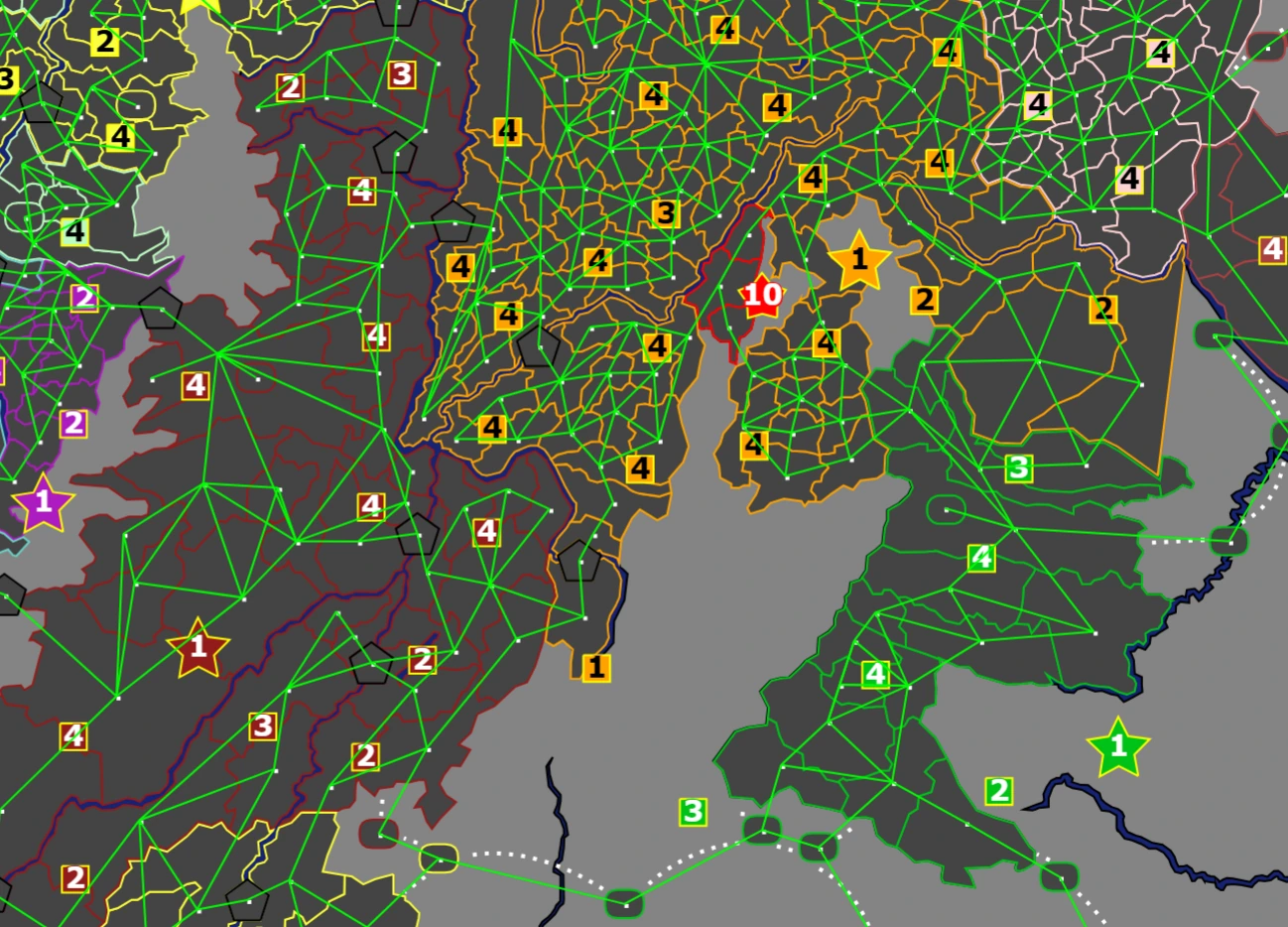
Una red territorial densa organizada en frentes legibles. Las rutas de expansión, la profundidad defensiva y los puntos de paso estrechos dan lugar a decisiones a distintas escalas.
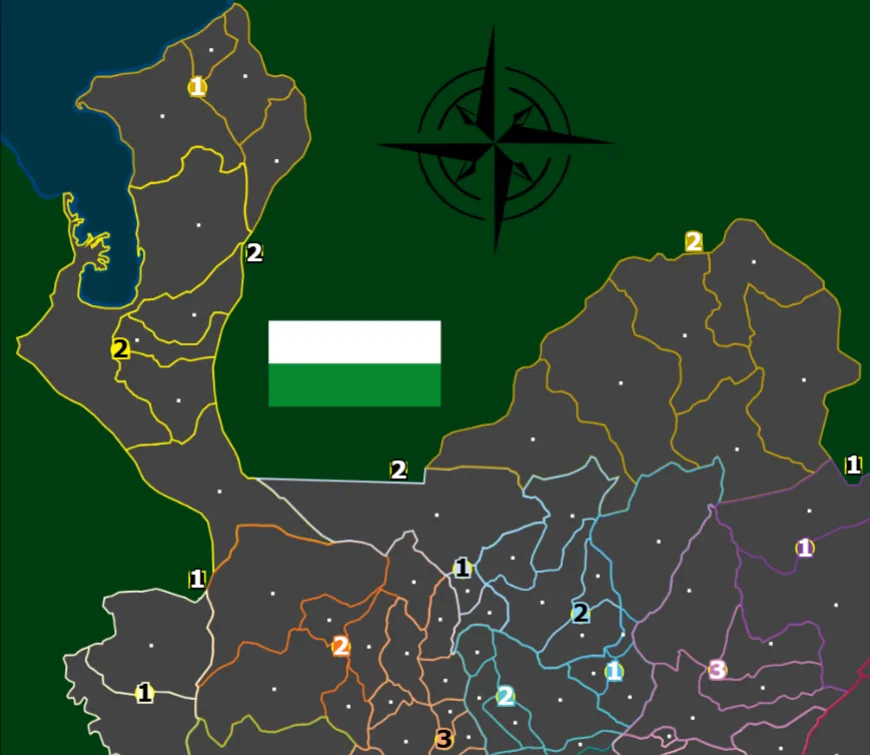
Conquista regional y control de una ciudad en el mismo mapa. La variación en la densidad de territorios cambia cómo se interpretan las rutas, las fronteras y el dominio local.
Explorar en War.app ↗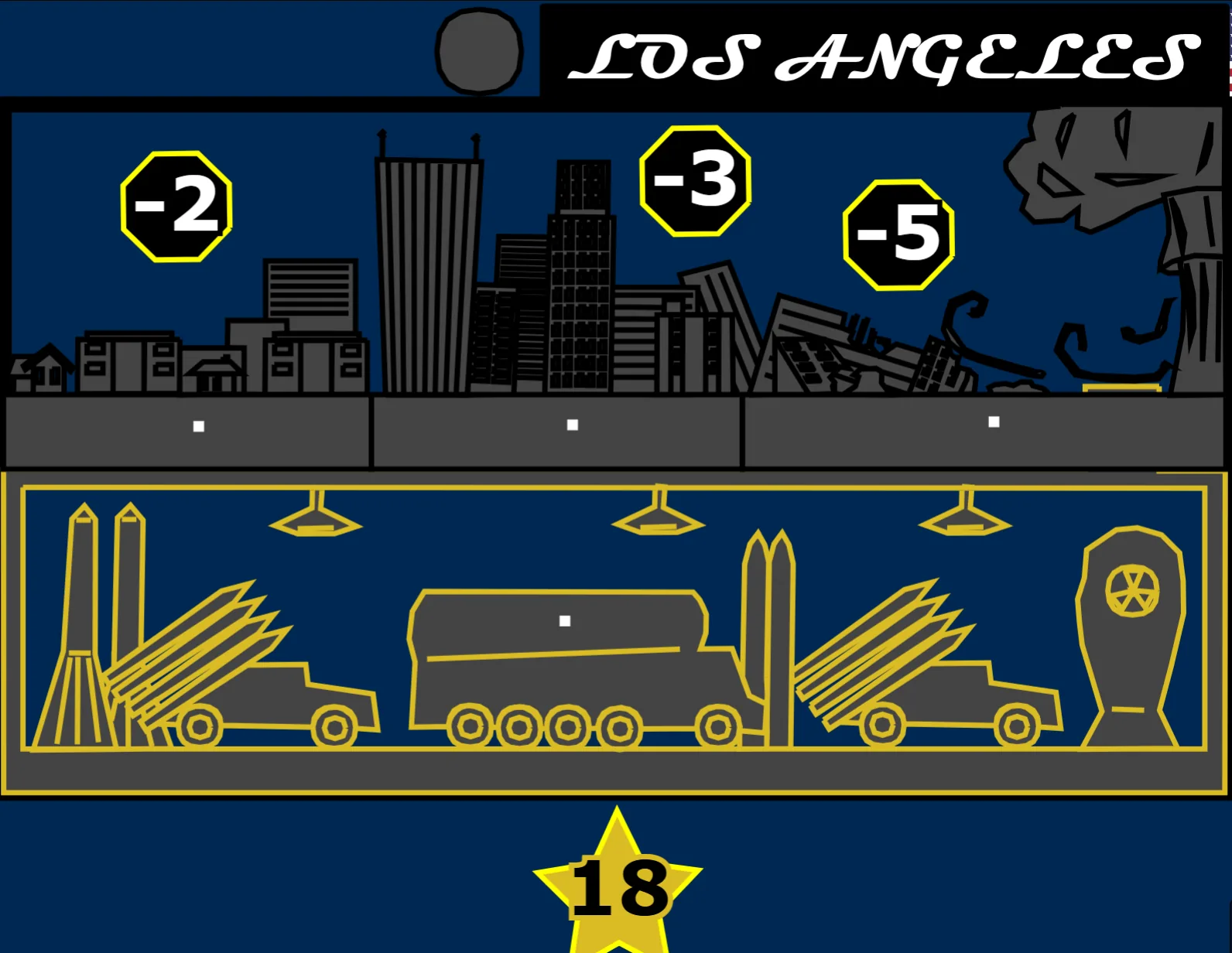
Las reglas base del juego se convierten en sectores contaminados, zonas seguras y áreas de sacrificio. Las rutas más peligrosas ofrecen mayores recompensas y hacen del riesgo una decisión territorial.
Explorar en War.app ↗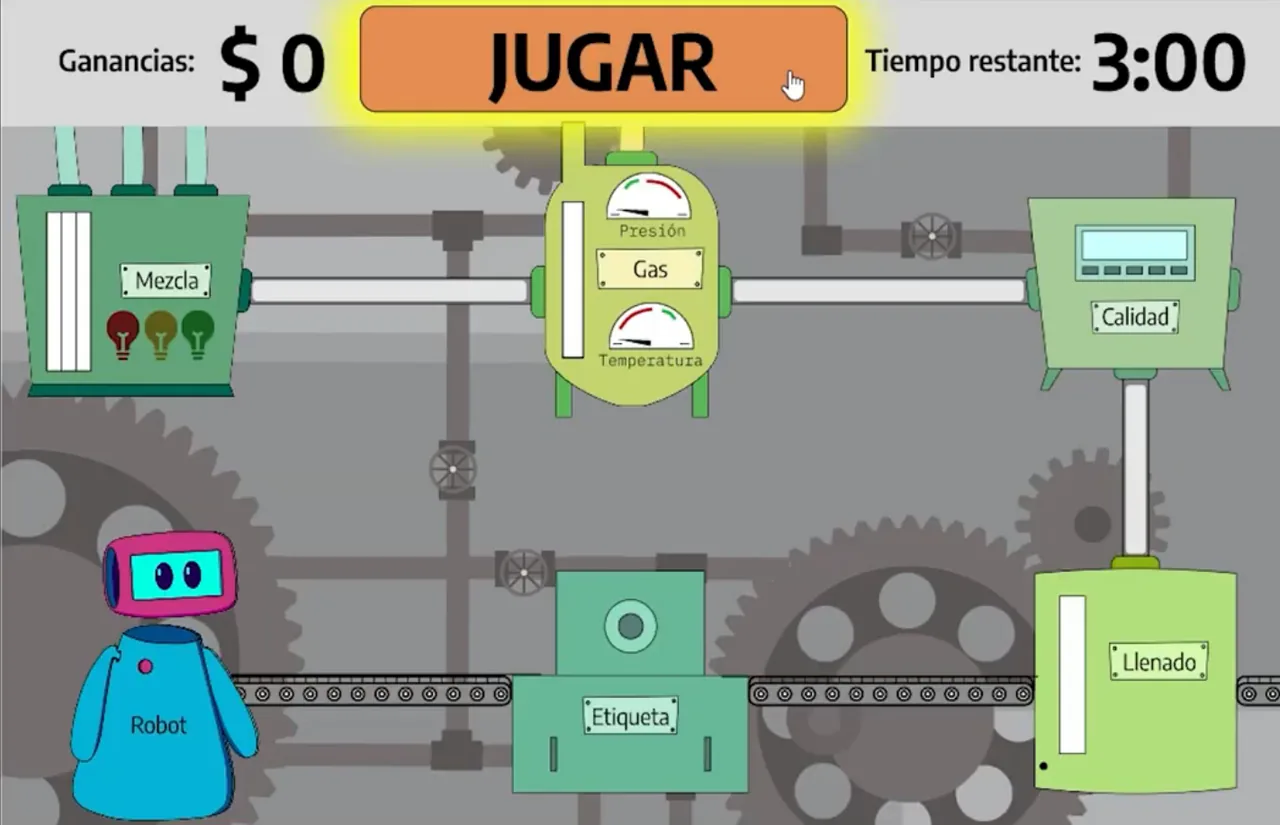
Un minijuego de producción construido en Figma con variables, condiciones, puntuación y tareas cronometradas. El prototipo permite probar el ritmo de las acciones y su respuesta visual.
Ver el prototipo ↗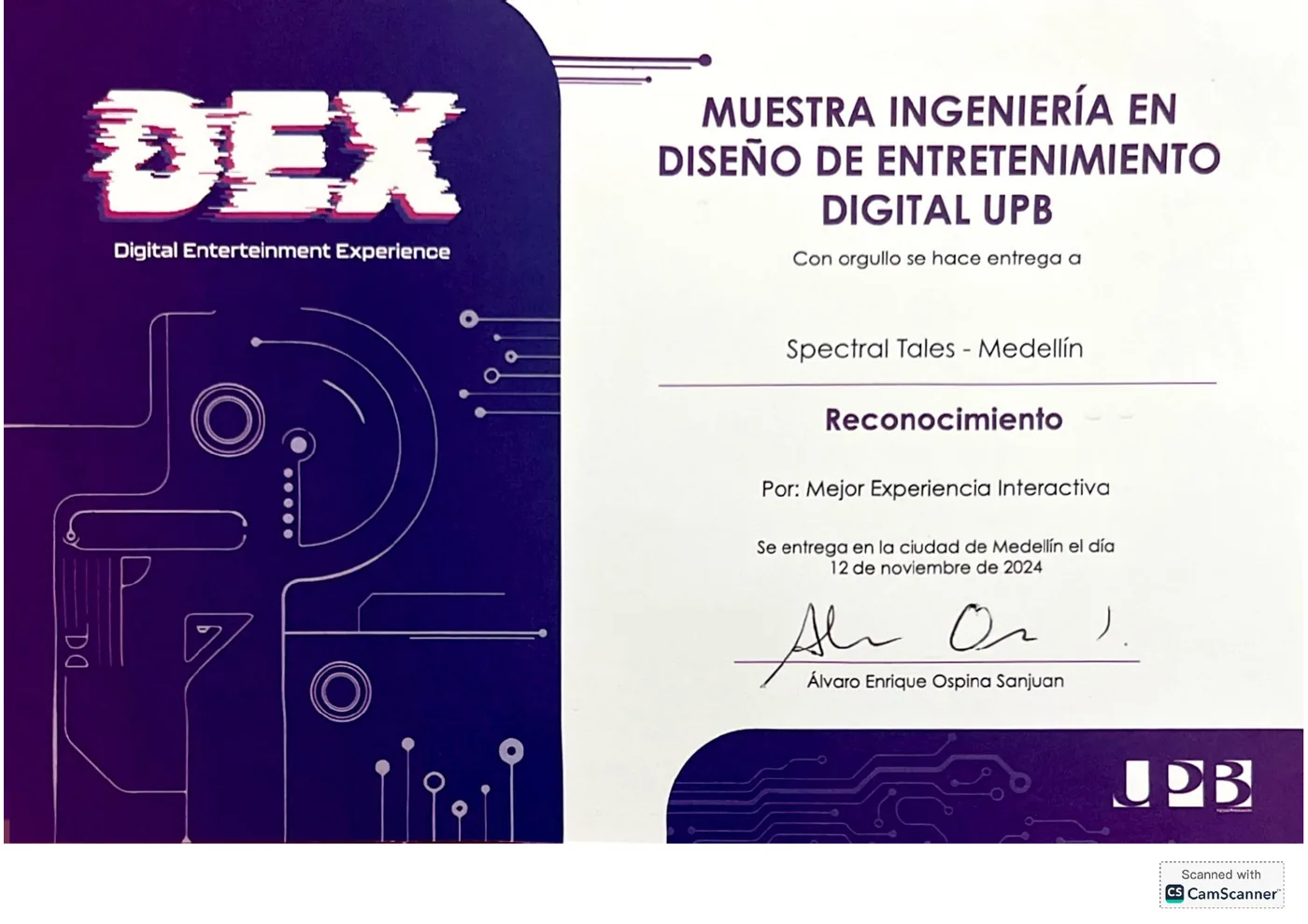 DEX · 2024
Medellín Spectral Tour recibió este reconocimiento en la muestra DEX por su experiencia móvil de realidad aumentada y narrativa histórica.
Ver certificado ↗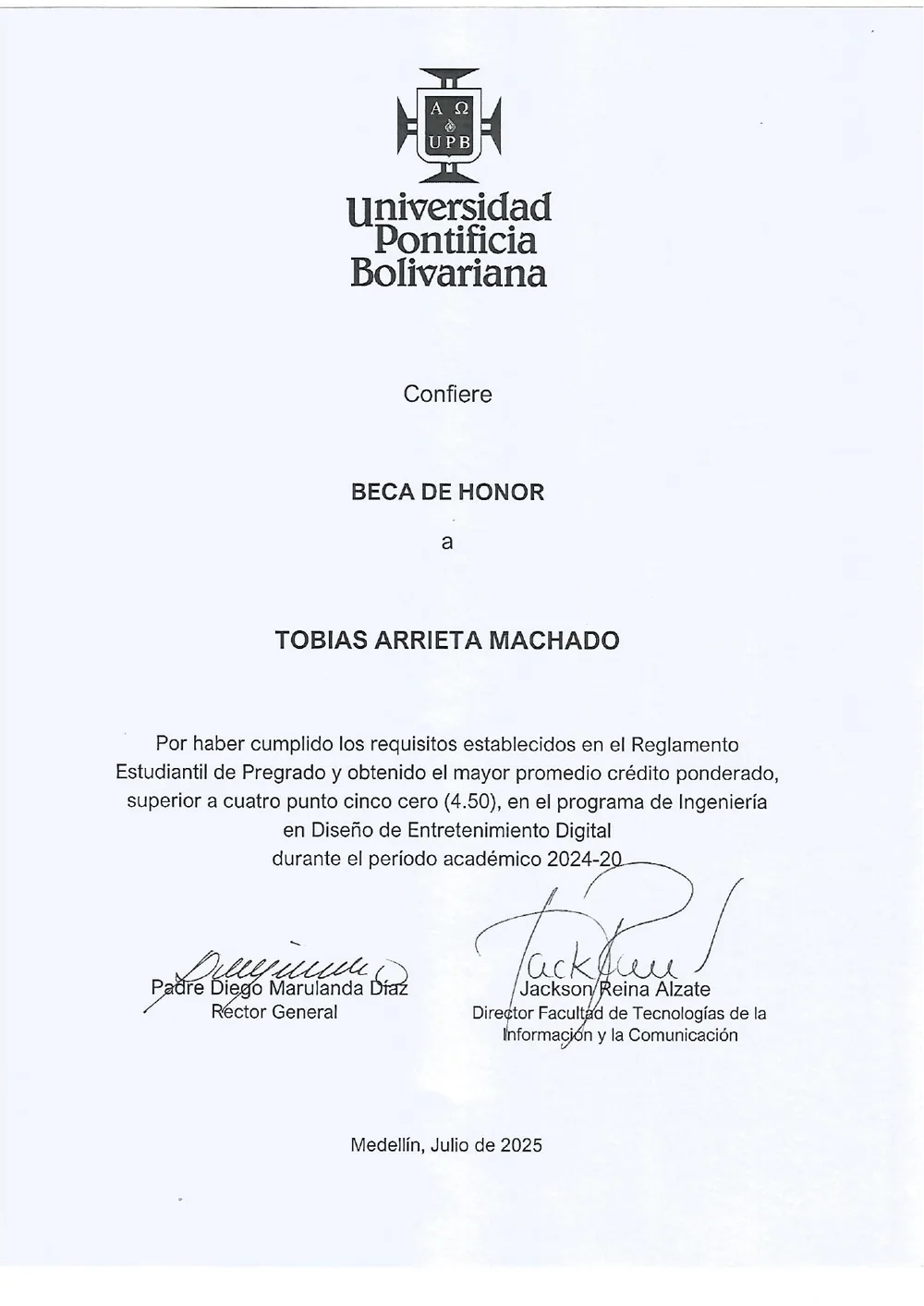 UPB · 2024
Otorgada por la Universidad Pontificia Bolivariana por el mayor promedio ponderado del programa de Ingeniería en Diseño de Entretenimiento Digital, superior a 4,50.
Ver reconocimiento ↗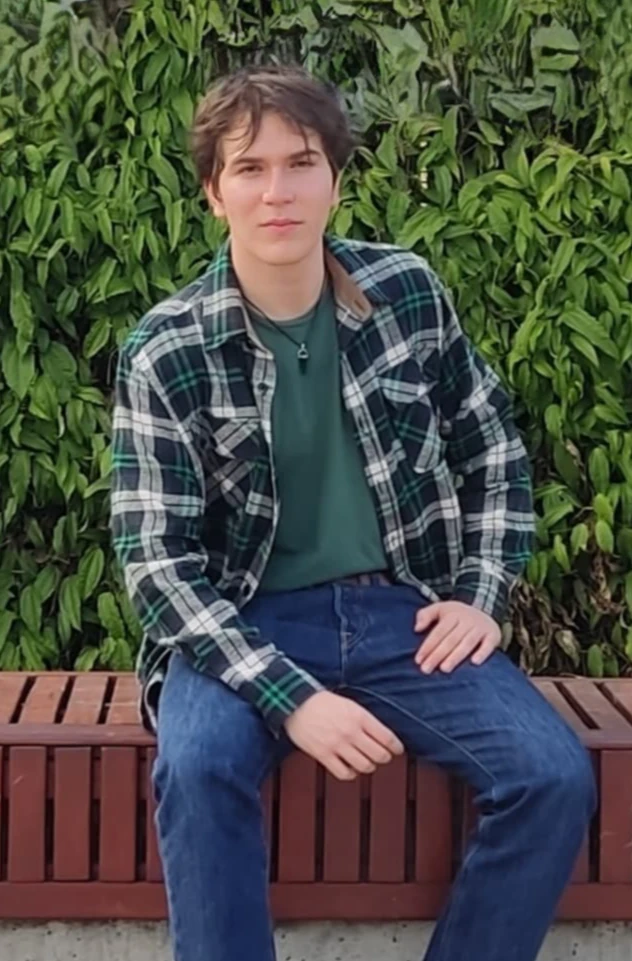
Soy desarrollador de experiencias interactivas y vivo en Medellín, Colombia. Mi formación en Ingeniería en Diseño de Entretenimiento Digital y programación conecta el trabajo artístico, el diseño y la implementación técnica.
He desarrollado visualizaciones cartográficas, aplicaciones móviles de realidad aumentada, sistemas procedurales y herramientas para equipos de producción. Mi trabajo abarca interfaces, simulación de físicas, shaders y efectos visuales y sonoros.
Trabajo con equipos de arte, diseño, investigación y programación: defino flujos de producción, construyo prototipos y resuelvo los problemas técnicos que aparecen al llevar una idea a una experiencia funcional.
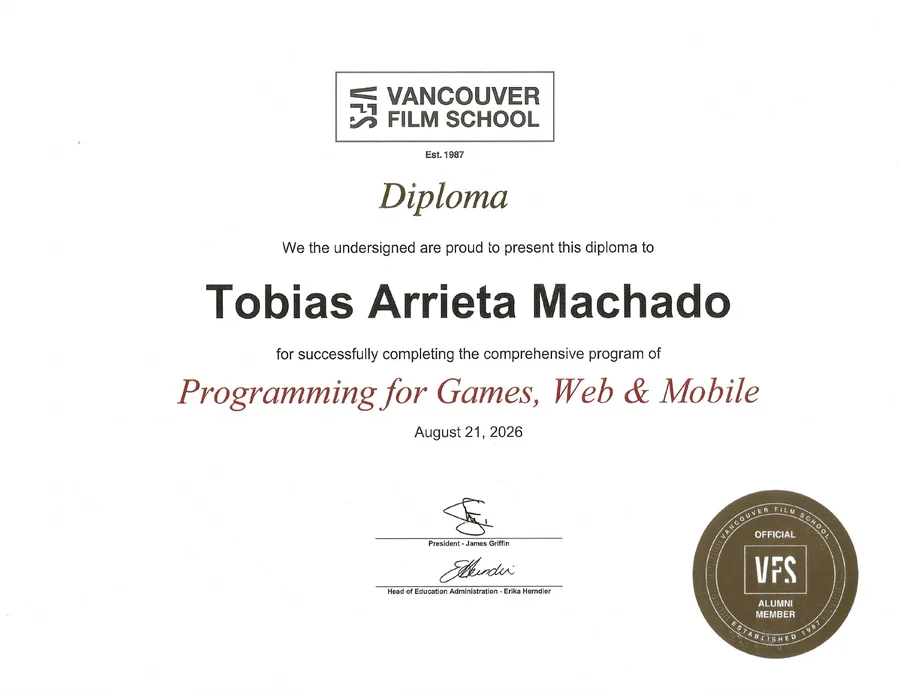 Ver diploma ↗
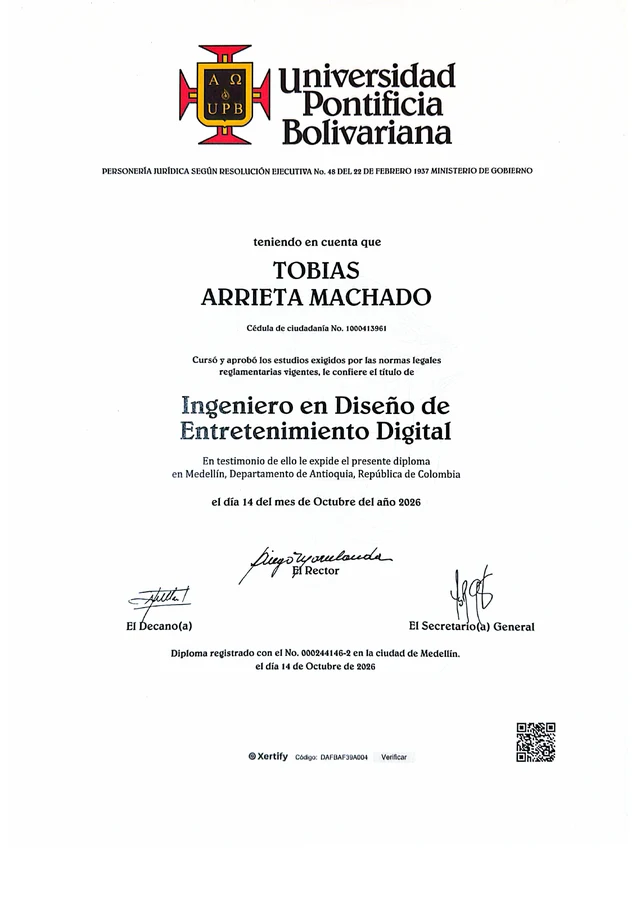 Ver diploma ↗